Beauty & skin care
LED Mask Wavelengths Explained: 630, 633, 660, and 830 nm
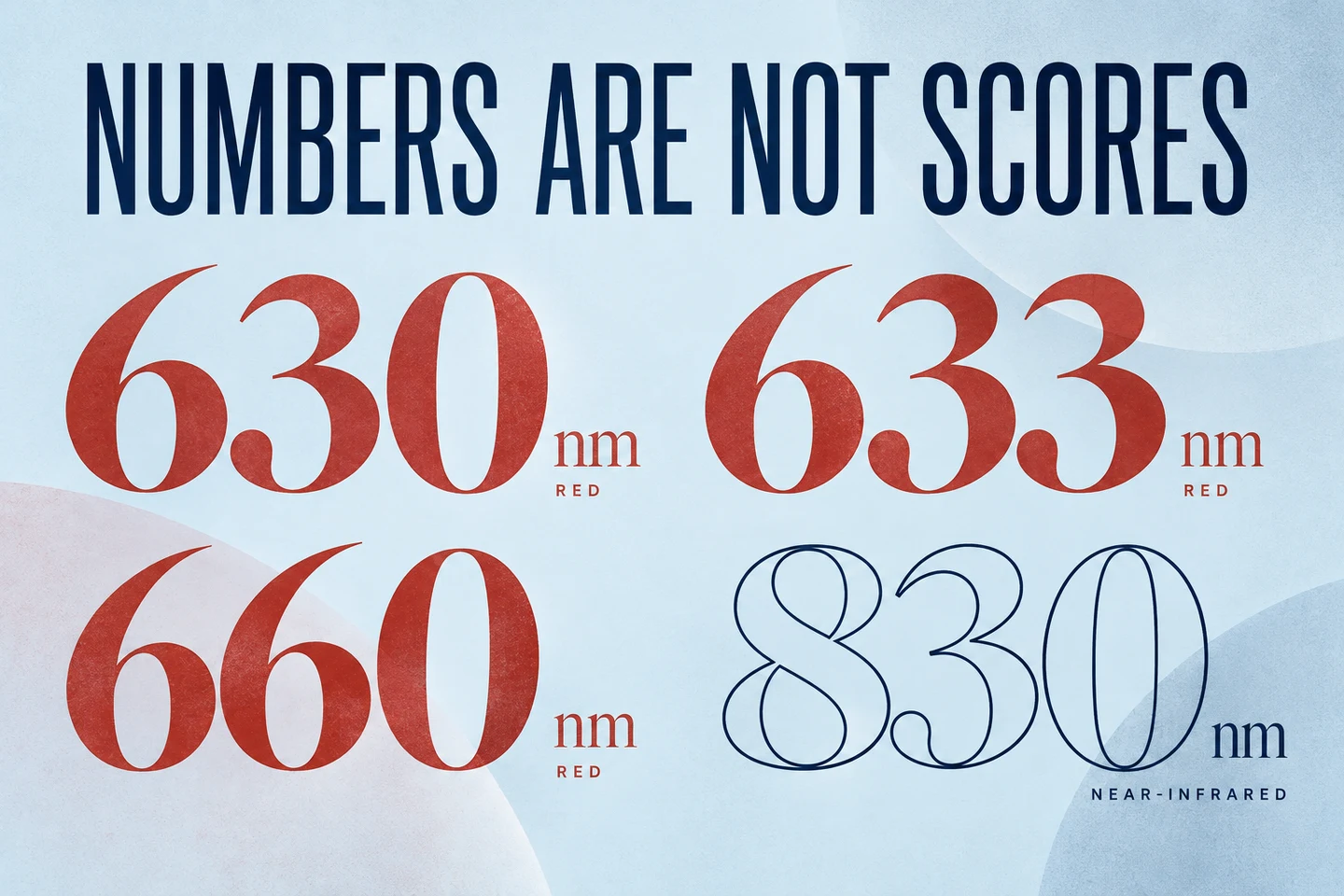
LED mask specifications often highlight numbers such as 630, 633, 660 or 830 nm. These describe wavelength. They help identify the light emitted but do not describe the complete treatment or prove which mask performs better.
What the numbers tell you
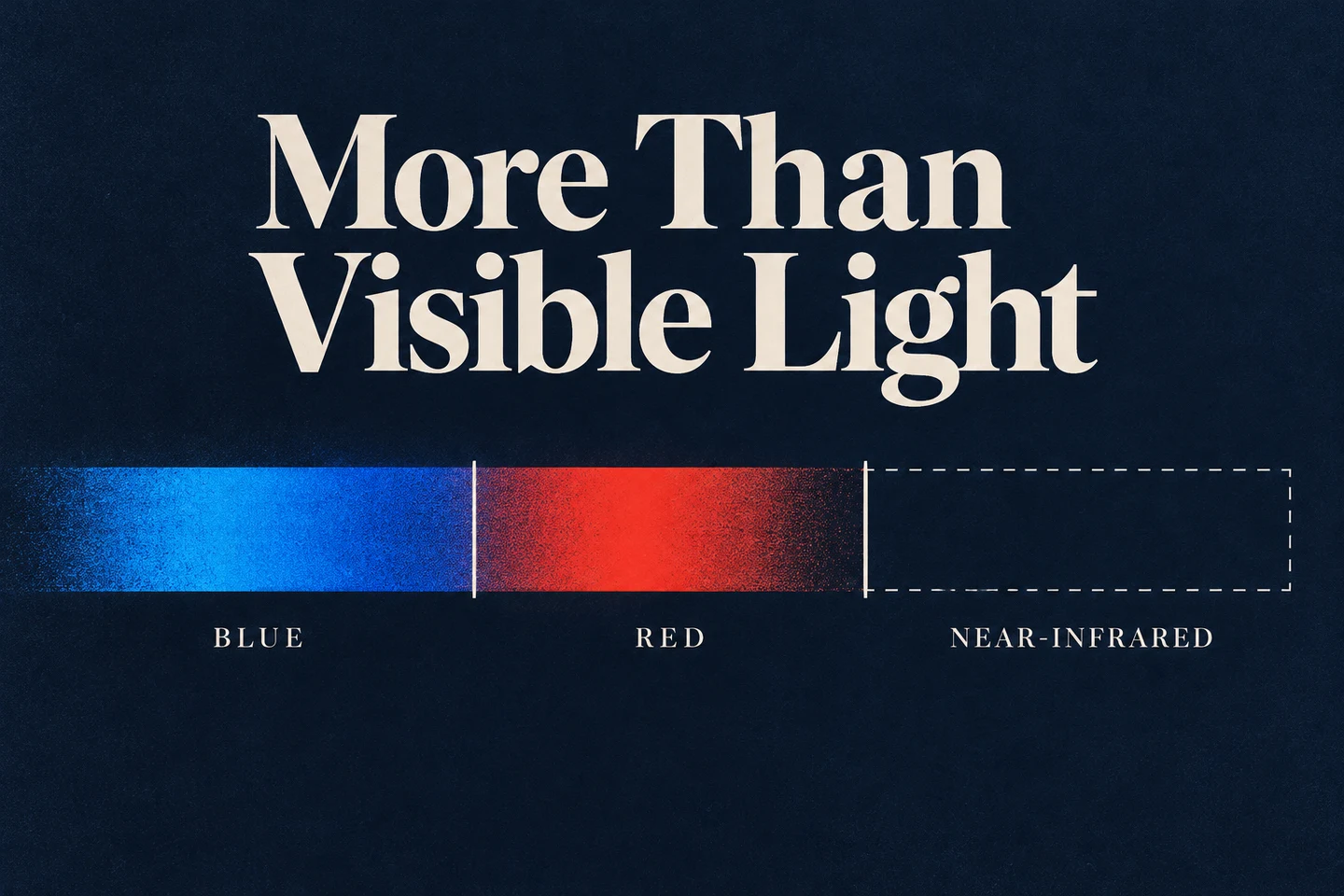
A nanometer is a unit of length used for wavelengths. The labels 630, 633 and 660 nm refer to red light. The label 830 nm refers to near-infrared, which is outside the visible range.
For a real product example, Omnilux lists 633 nm and 830 nm for its Contour Face mask. This is that manufacturer's stated combination, not a universal formula for all masks. See its product information.
What the numbers leave out
A wavelength label does not tell you the output reaching the treatment area, how evenly light is distributed, how the mask fits or which schedule was evaluated. Two devices with matching wavelength labels can still differ in design and documentation.
When a seller compares nearby wavelengths, ask for evidence supporting the claimed difference. A larger number is not a score, and choosing the highest value is not a meaningful buying method.
Ask better technical questions
Request the nominal wavelength and any available tolerance. For devices with several channels, ask whether output is reported per channel or for all channels operating together. Check whether the documents refer to the exact model and mode; a supplier brochure may describe several optional configurations.
Use wavelengths as one part of a comparison
Record wavelength, intended use, output documentation, session schedule, fit and evidence for each model. Ask for missing details and connect each important number to a documented feature or instruction.
FAQ
Is 660 nm automatically better than 633 nm? A wavelength label alone cannot establish that. Compare relevant evidence and the complete device.
Should 830 nm look brighter? No. Near-infrared is outside the visible spectrum. Do not stare at emitters; follow the manufacturer's eye-protection and troubleshooting instructions.
Product information
Review HIG MMZ01 and HIG MMZ02 and contact us for the current model-specific manual, mode configuration and optical documentation. The third-party example is not a specification or test result for HIG products. The cover is an editorial illustration.
Related reading: Red, Blue, and Near-Infrared LED Masks and LED Mask Irradiance and Dose.