Beauty & skin care
Red, Blue, and Near-Infrared LED Masks: Key Differences
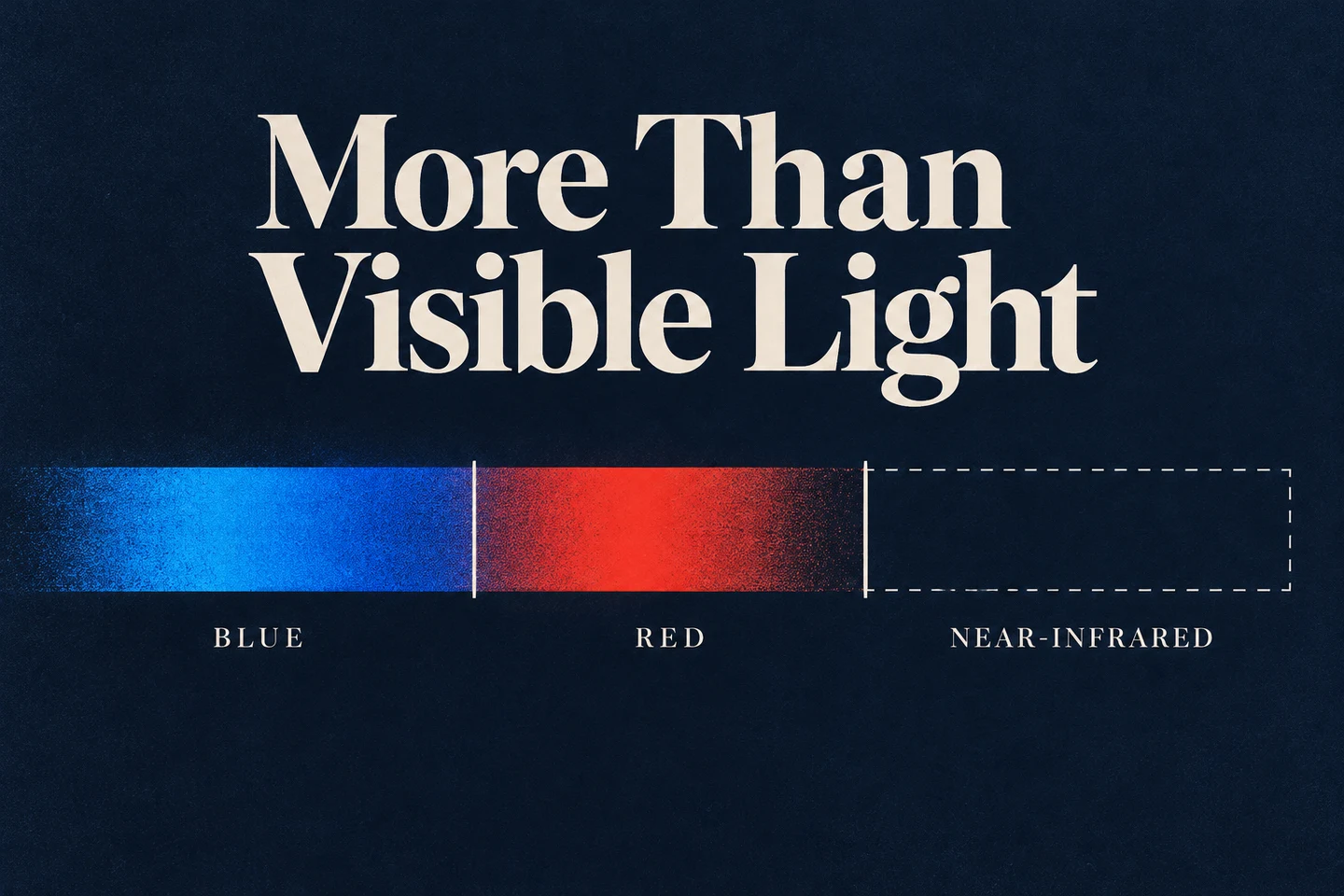
Red, blue, and near-infrared are different parts of the light spectrum. A mask with several modes should explain the wavelength and intended purpose of each one. Color names alone are not enough for a useful comparison.
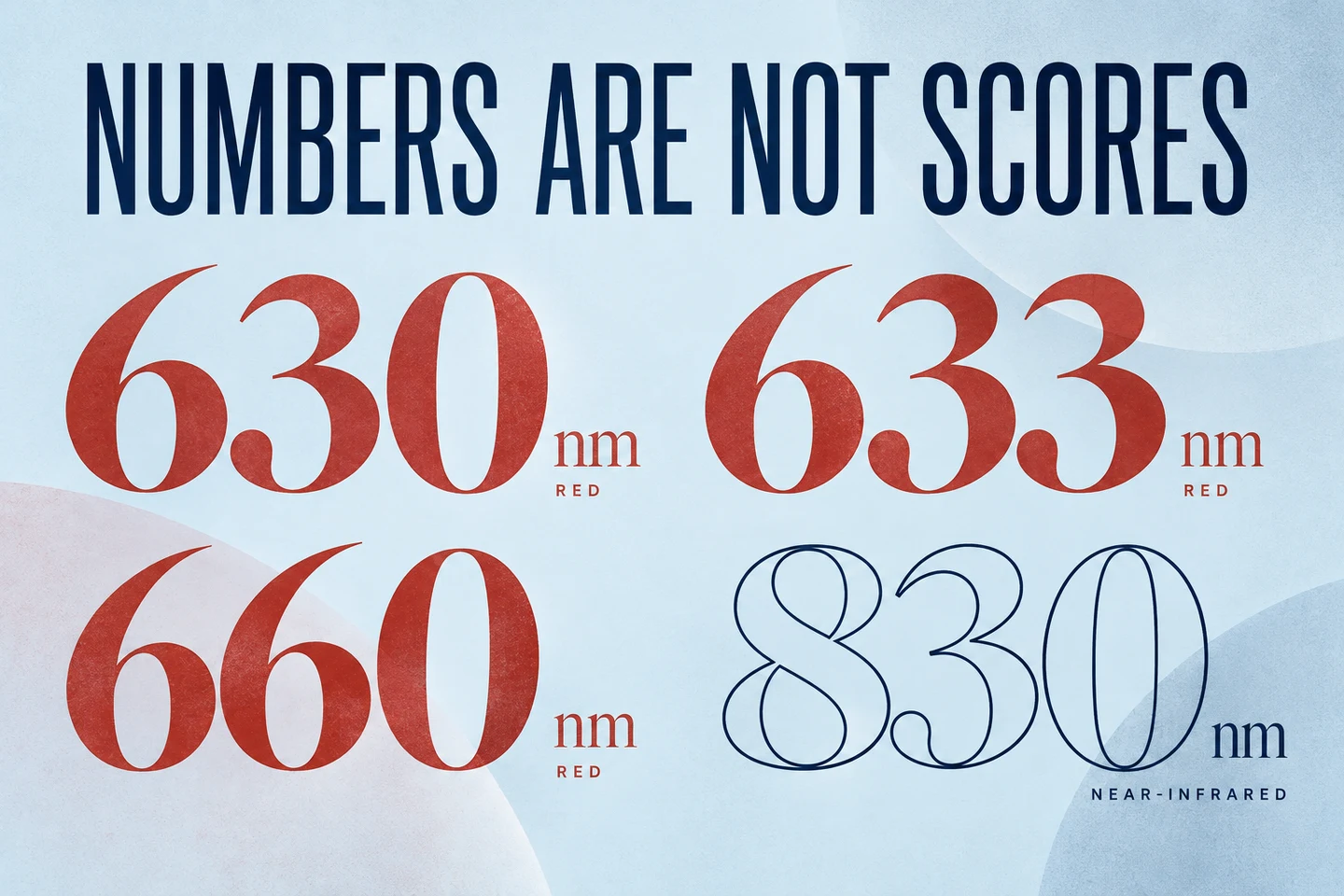
Read the wavelength label
Wavelength is usually expressed in nanometers (nm). Red and blue are visible light; near-infrared is outside the visible range. A working near-infrared emitter may not look illuminated to your eyes. Do not stare at an emitter to test it; follow the manufacturer's troubleshooting and eye-protection instructions.
For a multi-mode mask, check whether the brand lists a wavelength for each setting. Ask whether modes use individual wavelengths or combinations and whether the manual gives different instructions.
Check the intended use
Do not assume an anti-aging mode and an acne-focused mode are interchangeable. The American Academy of Dermatology explains that visible-light treatments can address some pimples but not every type of acne lesion. Read its guidance.
If acne is your main concern, look for an appropriate intended use and discuss treatment options with a dermatologist. A cosmetic mask should not acquire an acne-treatment claim simply because another device uses red and blue light.
Ask for evidence by mode
A clinical claim for one setting does not establish the same result for every available color. Ask which mode was evaluated and under what conditions. Evidence for a combination does not automatically establish an identical result for either wavelength alone.
Consider whether separate settings fit your routine. An interface is more useful when it clearly identifies the selected mode and its instructions.
Build a practical comparison
For each model, record wavelengths, mode names, intended uses, recommended schedule and relevant evidence. Leave unknown details blank and ask the seller to clarify them.
FAQ
Does invisible near-infrared mean a mask is faulty? Not necessarily. Follow the manufacturer's troubleshooting process; visible brightness does not establish infrared output.
Are more colors automatically more effective? More settings offer options, but each claimed benefit needs appropriate support.
Product information
Review HIG MMZ01 and HIG MMZ02 and contact us for the current manual, exact model configuration, mode instructions and supporting documentation. Product links do not establish an acne-treatment claim. The cover is an editorial diagram.
Related reading: LED Mask Wavelengths Explained and LED Mask Irradiance and Dose.